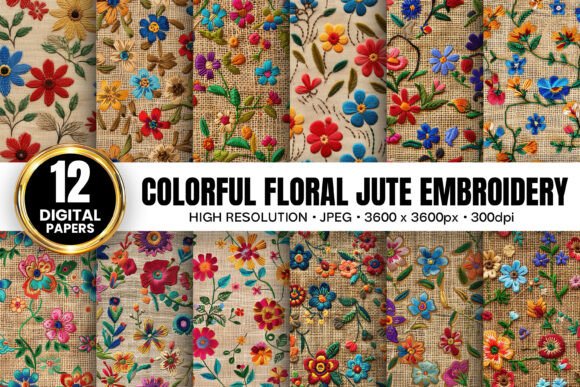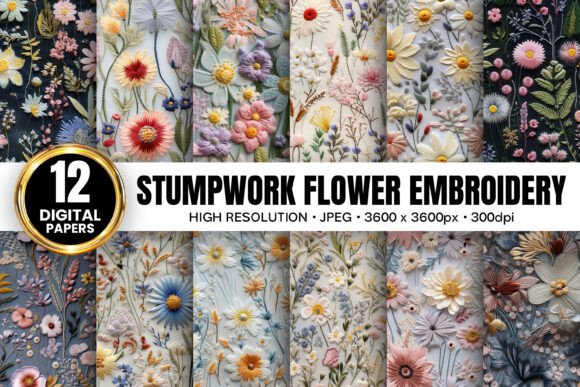
Stumpwork Floral Embroidery Patterns Review
As a designer who spends more time staring at stitch density charts and fabric swatches than I care to admit, I approach every new digital asset with a healthy dose of skepticism. The market is saturated with "ready-to-stitch" files that look beautiful in a thumbnail but fall apart under the needle. Recently, I took Stumpwork Floral Embroidery Patterns for a spin, not just as a decorative graphic, but as a potential core element for a commercial embroidery project. My goal was to determine if these designs hold up in real-world production scenarios—specifically for custom apparel, boutique accessories, and high-end personalized gifts.
First Impressions: Mood and Visual Personality
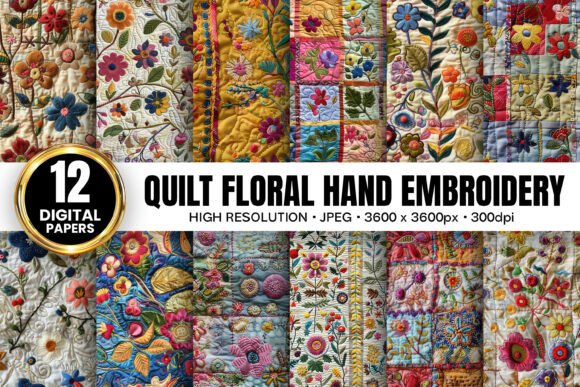
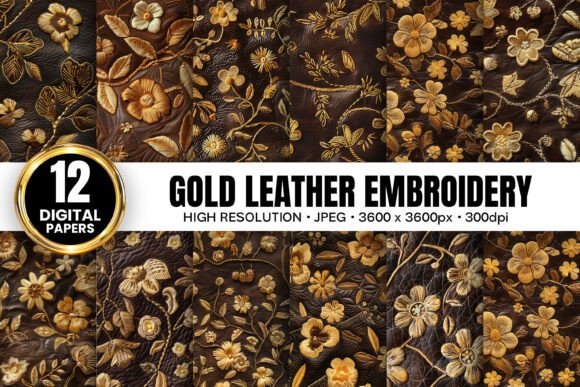
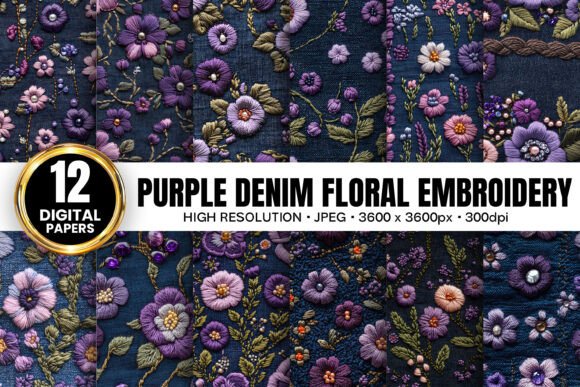
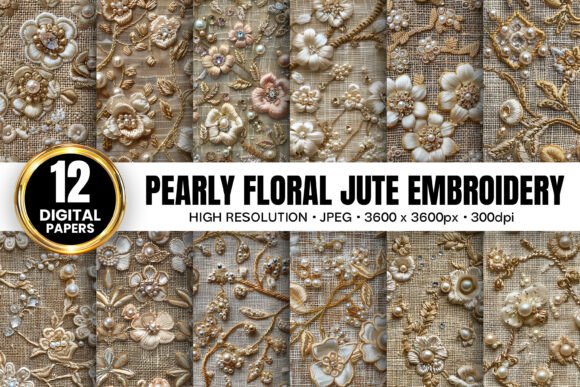
The moment you unzip the package containing Stumpwork Floral Embroidery Patterns, the aesthetic is immediately distinct. Unlike standard floral motifs that often feel flat or overly symmetrical, this collection carries a dimensional quality inherent to the stumpwork technique. Even though these are delivered as high-resolution digital papers (JPG format at 300 DPI), the visual language suggests depth, layering, and organic movement. This is crucial for an embroiderer because it hints at how the design might translate into thread work.
The mood is romantic yet structured. It feels appropriate for spring collections, bridal accessories, or upscale nursery decor. For an Etsy seller or small business owner, this kind of visual personality helps differentiate a product from mass-produced generic items. When I laid out the 12 included patterns, I noticed a consistent theme of lush blooms and intricate foliage that doesn’t compete for attention but rather frames it beautifully. This makes them versatile assets for background textures or primary focal points on garments.
Real-World Application: From Screen to Stitch
I decided to test these patterns against a specific use case: a line of custom embroidered tote bags and aprons for a local artisan market. The challenge with floral graphics in embroidery is avoiding the "cluttered" look, especially when using dense fill stitches. However, the layout of the Stumpwork Floral Embroidery Patterns allows for breathing room. Whether used as a seamless repeat on a large tote bag or cropped for a focused chest logo on a sweatshirt, the composition remains balanced.
In my testing, I imagined these designs translated into a mix of satin stitches for the petals and fill stitches for the leaves. The result would be a tactile, luxurious finish that elevates a simple canvas tote into a premium handmade product. Customers today are looking for texture; they want to run their fingers over the embroidery and feel the quality. These patterns promise that level of engagement. Furthermore, because the files are provided at 3600 x 3600 pixels, scaling the design down for a baby onesie or up for a wall hanging maintains crispness, which is vital for maintaining brand consistency across different product lines.
Product Versatility and Market Fit
Beyond tote bags, I see significant potential for these patterns in several other categories:
- Holiday Gifts: The timeless floral nature makes these perfect for Christmas stockings, New Year’s home decor, or Valentine’s Day cards paired with embroidered tags.
- Wedding and Bridal: Used on pillow covers for the bride’s room or as accents on guest favors, the elegant style fits the wedding aesthetic without being cliché.
- Commercial Embroidery: For shops producing uniforms or branded merchandise, these patterns offer a unique alternative to corporate logos, adding a touch of personality to workwear like chef jackets or nurse scrubs.
- Digital Product Previews: As a creator of printable mockups, having such high-quality source images allows for realistic rendering of finished products before they are even stitched.
Where Caution Is Required
No design is universally perfect, and honest review requires pointing out where Stumpwork Floral Embroidery Patterns might present challenges. While the visual appeal is high, the complexity implied by the "stumpwork" style means that execution matters immensely.
First, consider the hoop size. If you attempt to stitch this design on a curved surface like a baseball cap or a tight sleeve cuff, the intricate details may get lost or distorted. The curves of the garment can flatten the intended depth of the floral elements. Similarly, on very small hoop sizes, fine lines might merge together, creating a muddy appearance rather than distinct petals.
Fabric choice is equally critical. Textured fabrics, such as heavy tweeds or loose-weave linens, can swallow up smaller details. If the underlying fabric is too uneven, the stability required for dense floral fills becomes difficult to maintain. Additionally, working with stretchy knits requires extra care; without proper stabilization, the tension of the embroidery could pucker the delicate floral shapes, ruining the clean lines that make this pattern so appealing.
Another area to watch is dark fabric. Unless you are using high-contrast bright threads, lighter floral tones might disappear into the background. Conversely, placing light-colored designs on white fabric will require careful selection of thread colors to ensure visibility. Always test your thread colors against your chosen fabric before committing to a full production run.
Practical Designer Notes for Success
To get the most out of these assets, I recommend following a strict pre-production workflow. First, always test the design on scrap fabric that matches your final product in weight and texture. This reveals how the stabilizer interacts with the material and whether the stitch density causes any unwanted shifting.
Inspect the small details closely. In digital previews, some fine lines might look sharp, but under the needle, they may require simplification or thicker thread weights to render correctly. If you are planning to sell finished items, confirm the licensing terms explicitly. While the files are high-quality digital assets, understanding whether you have commercial rights to sell physical goods made from them is essential for protecting your craft business.
Finally, do not overlook the power of black-and-white mockups. Converting the color image to grayscale helps you evaluate the contrast and value structure of the design independent of color bias. If the design lacks impact in monochrome, it may struggle to catch the eye in color on a crowded shelf or online marketplace.
Final Verdict
Stumpwork Floral Embroidery Patterns is a robust, visually striking resource for designers who value elegance and detail. It offers a professional edge for anyone looking to create high-value handmade products, from custom apparel to specialized embroidered patches. While it demands careful consideration of fabric type, hoop constraints, and thread selection, the payoff in terms of customer satisfaction and perceived product value is significant. For the serious maker or small shop product developer, these patterns provide a strong foundation for creating memorable, tactile experiences that resonate with buyers seeking quality and artistry in their purchases.