Quilt Floral Hand Embroidery Patterns Review
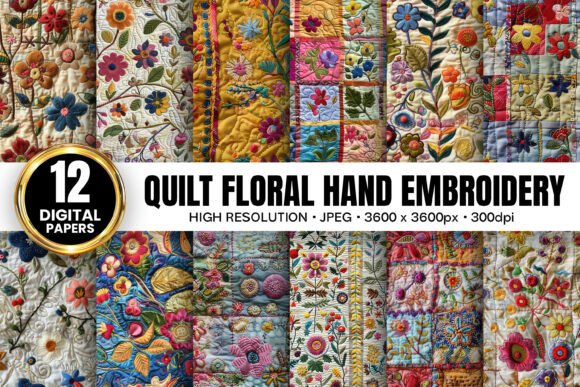
In the world of small business branding, few things communicate quality and care quite like a well-executed embroidered patch. As an embroidery designer who has spent years translating digital concepts into tangible textile assets, I know that the difference between a generic product and a premium brand often comes down to the details. Today, I am reviewing a specific asset: Quilt Floral Hand Embroidery Patterns. This collection is marketed as a set of seamless patterns designed for high-resolution use, and it promises to bring a rustic, handmade charm to various merchandise applications.
For owners of boutiques, bakeries, florists, or creative studios, choosing the right design assets is critical. You are not just buying a graphic; you are investing in the visual identity of your business. This review evaluates how Quilt Floral Hand Embroidery Patterns performs when translated from a digital file into real-world commercial applications, such as branded patches, staff uniforms, tote bags, and custom apparel.
First Impressions: Visual Personality and Aesthetic
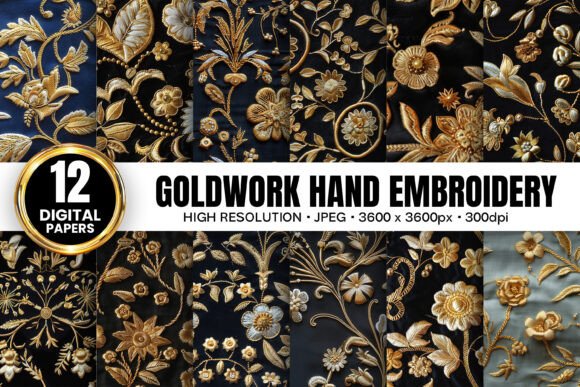
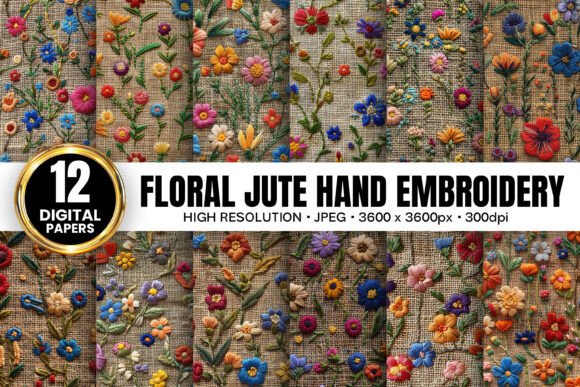
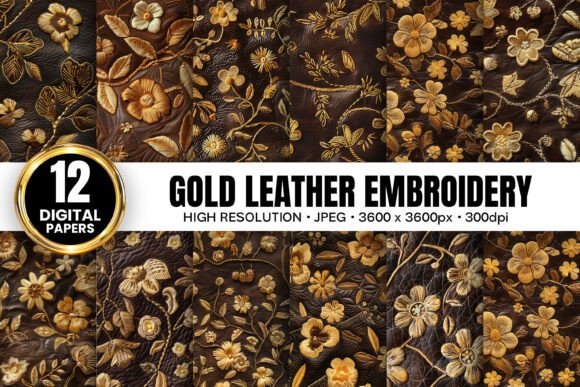
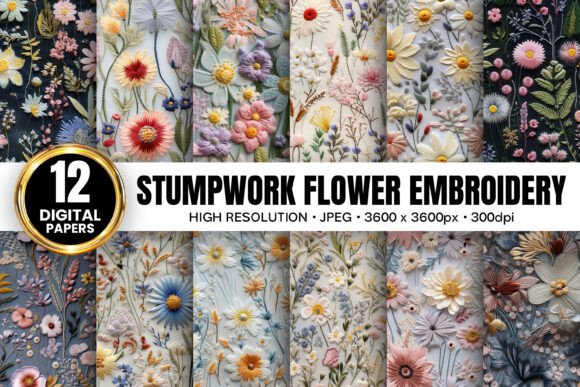
The title itself, Quilt Floral Hand Embroidery Patterns, sets a very specific tone. It suggests warmth, tradition, and artisanal craftsmanship. In my experience, "quilt" implies a cozy, rustic aesthetic, while "floral" adds a touch of elegance and natural beauty. When you look at the preview images or the concept behind these designs, they likely feel friendly rather than corporate, bold yet decorative, and undeniably premium due to the implied hand-crafted nature.
This aesthetic is highly effective for businesses that want to stand out in a crowded market. Modern consumers are increasingly drawn to brands that feel authentic and human-made. Whether you are running a local café, a handmade jewelry shop, or a pet care brand, this floral motif can soften your brand image and make it more approachable. The seamless nature of the patterns also suggests versatility, allowing for creative tiling or large-scale applications on fabric.
Real-World Business Applications
So, how does Quilt Floral Hand Embroidery Patterns translate to actual production? Let’s break down its potential across several key merchandising categories.
Embroidered Patches and Brand Logos
The most common use case for this type of design is the embroidered patch. Small business owners often use patches on denim jackets, backpacks, and aprons to create a cohesive team uniform or a unique customer gift. Because the pattern is described as having high resolution (300 DPI) and substantial pixel dimensions (3600 x 3600 pixels), it holds up well when scaled down for chest logos or sleeve accents. The intricate floral details can serve as a beautiful border or central motif for a patch, elevating the perceived value of the item.
Apparel and Uniforms
For boutique clothing lines or service industry uniforms, this design offers a distinct advantage. Imagine a barista wearing an apron featuring a subtle, quilted floral print, or a boutique employee sporting a cap with a matching embroidered detail. The design works beautifully as a chest logo accent or even as a larger back-print element if the fabric texture allows. It adds a layer of professionalism that feels curated rather than mass-produced.
Tote Bags and Product Packaging
Etsy sellers and crafters frequently use tote bags as both functional products and marketing tools. Applying Quilt Floral Hand Embroidery Patterns to canvas totes creates a reusable shopping bag that customers are proud to carry. Furthermore, the design can be used for printable mockups to show clients how their final product will look before committing to bulk orders. This visual consistency helps build trust with buyers who want to see exactly what they are purchasing.
Custom Caps and Accessories
Cap embroidery is a staple in promotional merchandise. The floral elements of this pattern can be adapted for curved surfaces, providing a soft contrast to the structured shape of a hat. It is particularly effective for spring and summer collections, aligning with seasonal trends and boosting engagement during peak shopping periods.
Strategic Considerations and Limitations
While the aesthetic appeal is strong, an experienced designer must also consider technical limitations. Not every design translates perfectly to every medium. Here are areas where caution is advised when using Quilt Floral Hand Embroidery Patterns.
- Small Patch Sizes: If you plan to shrink the design significantly for a tiny label or a small badge, intricate floral outlines may become muddy. Always test the design at its smallest intended size to ensure clarity.
- High Stitch Density: Complex patterns can lead to high stitch counts. On delicate fabrics, this might cause puckering. Ensure you understand the stitch density requirements and choose appropriate stabilizers to support the fabric during stitching.
- Fabric Texture and Color: The design relies on contrast. On dark uniforms or heavily textured fabrics like heavy wool, the fine details of the floral pattern might get lost. Lighter backgrounds or smoother fabrics like cotton twill or canvas will yield the best results.
- Curved Surfaces: When applying to caps or rounded items, the seamless nature of the pattern might require careful alignment to avoid visible seams or distortions.
Impact on Brand Identity and Customer Trust
Using Quilt Floral Hand Embroidery Patterns is not just about decoration; it is a strategic move to enhance brand identity. Customers associate high-quality embroidery with durability and attention to detail. When a business invests in professional-grade design assets, it signals that they value their craft. This perception directly influences buyer engagement and willingness to pay a premium price.
Furthermore, a consistent visual language across all touchpoints—from social media graphics to physical merchandise—builds recognition. If your digital assets match your embroidered products, you create a seamless brand experience. This coherence fosters trust, making customers more likely to return and recommend your business to others.
Practical Designer Notes for Production
Before placing any order or launching a product line based on Quilt Floral Hand Embroidery Patterns, follow these essential steps to ensure success:
- Test in Black and White: Convert the design to grayscale first. This helps you evaluate the contrast and composition without the distraction of color. If it doesn’t work in monochrome, it won’t work in color.
- Check Thread Color Contrast: Select thread colors that pop against your target fabric. The floral motifs should remain distinct and legible.
- Inspect Spacing and Hoop Size: Confirm that the design fits within your standard hoop sizes. Adjust the scale if necessary to avoid cutting off important details.
- Test on Real Fabric: Never assume a design will look good on screen. Stitch a sample on the actual fabric you intend to use. Check for puckering, thread breaks, and overall finish.
- Use Proper Stabilizer: Choose a stabilizer that matches the weight and stretch of your fabric. This is crucial for maintaining the integrity of the stitches, especially on stretchy knits or lightweight wovens.
- Create a Mockup: Use the high-resolution JPG files to create realistic mockups for client approval or marketing materials. This allows you to visualize the final product before committing to production costs.
- Confirm Commercial Licensing: Ensure you have the right to use these design assets for commercial purposes. Verify the terms regarding the number of units you can produce and whether you need to attribute the creator.
In conclusion, Quilt Floral Hand Embroidery Patterns offers a versatile and charming solution for small businesses looking to elevate their merchandise. By understanding its strengths and respecting its technical limitations, you can create stunning embroidered patches, apparel, and accessories that resonate with your audience. Remember, the goal is not just to decorate, but to communicate your brand’s story through thoughtful, high-quality design.