Cute Owl Winter Cross Stitch Pattern PDF Review
As an experienced embroidery designer who has spent years translating digital graphics into tangible, stitched goods for small businesses, I approach every new design asset with a mix of creative excitement and commercial scrutiny. When evaluating a Cute Owl Winter Cross Stitch Pattern PDF, we aren't just looking at aesthetics; we are assessing its viability as a revenue-generating product. For owners of boutiques, bakeries, cafes, or Etsy shops, the difference between a nice decoration and a profitable merchandise item often lies in stitch density, scalability, and brand alignment.
First Impressions: Visual Personality and Brand Fit
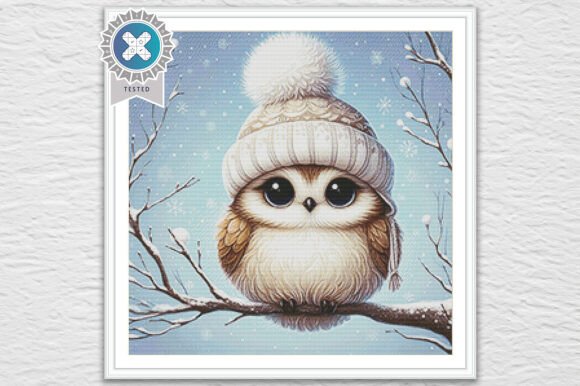
The title alone—Cute Owl Winter Cross Stitch Pattern PDF—sets a specific tone. In the world of small business merch, "cute" and "winter" are powerful keywords that signal warmth, approachability, and seasonal relevance. From a design perspective, this suggests a playful yet classic aesthetic. It is not starkly modern or corporate; rather, it leans toward rustic, handmade, and premium craftsmanship.
For a local florist, a cozy bookstore, or a holiday-themed pop-up shop, this design offers immediate visual recognition. The owl motif is universally loved, symbolizing wisdom but also innocence, which resonates well with customers buying gifts for children or themselves. However, for a high-end fashion label or a minimalist tech startup, this design might feel too decorative. The key takeaway here is that this embroidery file excels in environments where comfort and charm are primary selling points. It feels like a design that invites touch, making it ideal for tactile products like apron embroidery or soft textile goods.
Real-World Business Applications
Let’s move beyond the screen and imagine how this design performs on actual merchandise. The provided details indicate a size of 250w x 250h stitches. While this is a compact footprint, it is substantial enough to hold detail when executed correctly. Here is how this pattern translates into various commercial embroidery projects:
- Embroidered Patches: This is perhaps the most versatile application. A 250-stitch square can be easily converted into a sew-on or iron-on patch. These patches serve as excellent branding tools for staff uniforms, adding a personal touch to work shirts without being overly formal. They also work beautifully as accents on tote bag design projects, allowing customers to customize their bags with a unique identifier.
- Holiday Merchandise: Winter themes have a short but intense sales window. Using this design for limited-edition holiday collections creates urgency. Imagine offering these designs on premium knit hats or thick cotton hoodies. The contrast of a white or light-colored owl against dark winter fabrics can create a striking visual pop.
- Bakery and Café Branding: For a bakery specializing in winter treats like hot cocoa or gingerbread, this design adds character to employee aprons. It humanizes the brand, suggesting that the people behind the counter care about craft and detail. It transforms a standard uniform into a piece of brand storytelling.
- Product Packaging Accents: Small embroidered labels or tags featuring this owl can elevate the unboxing experience. For handmade jewelry or candles, a tiny stitched accent on the hang tag signals quality and attention to detail, directly influencing customer trust and perceived value.
Strategic Use Cases for Specific Industries
Consider a pet brand launching a winter line of accessories. An embroidered patch of this owl could be attached to dog bandanas or cat collars. The niche appeal allows for targeted marketing. Similarly, for a creative studio, this design could be used on laptop sleeves or notebook covers, appealing to professionals who want to inject personality into their workspace.
Design Constraints and Critical Considerations
No design is perfect for every application. As a professional, I must highlight where this Cute Owl Winter Cross Stitch Pattern PDF requires careful handling. The stitch count of 250x250 is relatively low, which means fine details may get lost if the design is scaled up too much or if the thread count is too sparse.
When placing this on cap embroidery, particularly on curved fronts, the distortion of the fabric can warp the symmetry of the owl. It is crucial to test the digitization on the actual cap structure before mass production. Furthermore, on textured fabrics like heavy wool or bouclé, the definition of the cross-stitch effect may be compromised. The threads might sink into the weave, losing the crispness that makes cross-stitch patterns appealing.
Another critical factor is stitch density. If the original design relies on tight outlines or small internal details, reducing the size for a chest logo might result in a muddy image. Conversely, enlarging it for a large tote bag might make the individual stitches look blocky. Always inspect the spacing and confirm the hoop size compatibility before committing to a production run. If the design includes tiny lettering or intricate facial features, ensure they remain legible at the intended final size.
Impact on Brand Identity and Customer Trust
In the era of handmade products, authenticity drives sales. Using a design that mimics traditional cross-stitch taps into the nostalgia and appreciation for slow craft. It signals to the buyer that your brand values heritage and skill. This perception enhances brand identity by associating your products with care and intentionality. Customers are more likely to engage with a brand that presents itself as artisanal rather than purely industrial.
Visual consistency is also key. If you use this owl design across multiple items—caps, aprons, and packaging—it creates a cohesive brand ecosystem. When a customer sees the same charming owl on their tote bag and then on their friend’s hat, it reinforces recognition. This repetition builds familiarity, which is a cornerstone of customer loyalty. Moreover, the "handmade presentation" inherent in cross-stitch styles suggests a higher level of effort, justifying a premium price point for your finished product.
Practical Designer Notes for Production
Before integrating this digital embroidery file into your workflow, follow these essential steps to ensure quality:
- Black and White Test: Convert the design to grayscale first. This helps you evaluate the balance of negative space and solid areas. If the design looks cluttered in black and white, it will likely look overwhelming in color.
- Fabric and Stabilizer Selection: Choose a stabilizer that supports the weight of the stitches without adding bulk. For lightweight fabrics, a cut-away stabilizer is necessary; for heavier materials, a tear-away might suffice. Always test on scrap pieces of your target fabric to check for puckering.
- Thread Color Contrast: With only 55 DMC colors specified, you must ensure there is sufficient contrast between adjacent areas. Low-contrast transitions can disappear during stitching. Create a printable mockup using your actual thread spools to verify visibility.
- Commercial Licensing: Most importantly, verify the licensing terms. Ensure you have the right to sell physical goods made from this design. Without proper rights, you risk legal issues and loss of income.
- Client Approval: If designing for a client, present a realistic mockup showing the design on the actual garment or accessory. Digital screens do not always reflect texture and depth accurately. Physical samples are the gold standard for approval.
By treating the Cute Owl Winter Cross Stitch Pattern PDF as a strategic business asset rather than just a decorative graphic, you can unlock its full potential. Whether used for custom apparel, event merch, or boutique inventory, this design offers a blend of charm and professionalism that appeals to a wide audience. Just remember to respect its technical limitations and prioritize quality control in every stitch.