Red Apple Cross Stitch Pattern Review
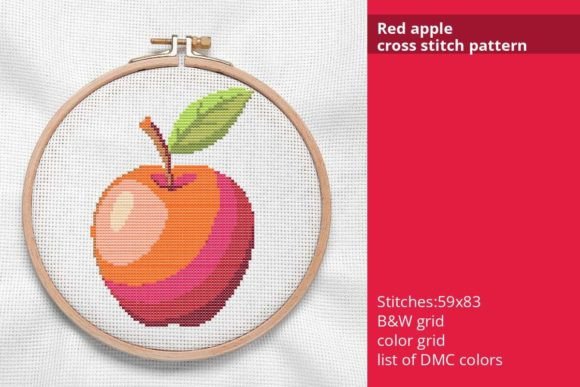
As an experienced embroidery designer, I spend a significant portion of my day evaluating digital assets for their viability in commercial production. When a client asks if a specific design will translate well from a screen to a stitched patch or a branded tote bag, I look beyond aesthetics. I analyze stitch density, scalability, color contrast, and brand alignment. Today, we are reviewing the Red Apple Cross Stitch Pattern, created by Petit Citron. This Cross Stitch Patterns asset falls under the Graphics category and is marketed as a chart with suggested DMC thread colors that can be mixed and matched.
For small business owners, Etsy sellers, and apparel decorators, understanding how this embroidery file performs in real-world applications is crucial before committing to bulk production. Below is a professional review focused on its utility for small business merch, branded patches, uniforms, and custom apparel.
First Impressions: Visual Personality and Brand Alignment
The title, Red Apple Cross Stitch Pattern, immediately suggests a classic, wholesome aesthetic. Apples are universally recognized symbols of education, health, freshness, and nature. From a branding perspective, this design leans heavily into rustic, handmade, and premium vibes. It feels friendly yet professional, making it an excellent candidate for businesses that want to convey trustworthiness and artisanal quality.
In the context of brand identity, the red apple offers high visual recognition. Red is an energetic color that draws the eye, while the cross-stitch style adds a layer of nostalgia and craftsmanship. For a local bakery, florist, or organic café, this design communicates that the brand values tradition and care. However, for a high-tech startup or a minimalist fashion label, the "handmade" feel might clash with a sleek, modern corporate image. The key here is knowing your audience. If your target customer appreciates the warmth of handmade product presentation, this design has strong potential.
Real-World Business Applications
Let’s explore where the Red Apple Cross Stitch Pattern shines when applied to physical goods. Because it is a graphic-based chart, it requires digitization or precise hand-stitching to become a tangible asset. Here is how it performs across various merchandise categories:
- Embroidered Patches: This is perhaps the most versatile application. A small, circular or shield-shaped patch featuring the apple can be ironed or sewn onto denim jackets, beanies, or tool bags. It serves as a subtle yet distinctive logo for creative studios or boutique brands.
- Staff Uniforms and Aprons: For café workers, baristas, or kitchen staff, a chest-sized embroidered apple adds a touch of personality without being distracting. It reinforces the theme of food, health, or hospitality. On canvas aprons, the red stands out beautifully against neutral fabrics.
- Tote Bag Design: Canvas totes are a staple for Etsy branding and craft fairs. Placing the apple design on the front pocket or center panel creates a cohesive look for shoppers carrying groceries or art supplies. It aligns perfectly with eco-friendly and sustainable business messaging.
- Cap Embroidery: A structured cap with a small apple motif on the front can serve as promotional gear for farmers' markets, school bookstores, or wellness retreats. The simplicity of the shape ensures it remains legible even from a distance.
- Product Packaging Accents: Beyond clothing, this design can be used as a printed label or a woven tag on packaging for jams, honey, candles, or baked goods. It elevates the perceived value of the finished product.
Strategic Considerations and Potential Pitfalls
While the concept is strong, not every design translates equally well to all mediums. As a designer, I must advise caution in several areas when using the Red Apple Cross Stitch Pattern for commercial purposes.
Size and Detail Limitations: Cross-stitch patterns often rely on fine grid details. If you attempt to scale this down too small for a tiny sleeve cuff or a miniature pin-back button, the individual "stitches" may merge into an indistinct blob. Always test the design at its intended final size. If the original chart includes intricate leaf veins or text, ensure these elements remain clear after digitization.
Thread Color Contrast: The description mentions using DMC threads. While you have the freedom to mix and match colors, contrast is king in embroidery. A bright red apple on a dark navy uniform will pop, but a muted pastel apple on a light beige fabric might disappear. Ensure your chosen thread colors provide enough contrast against your base fabric texture.
Fabric and Stabilizer Choices: Embroidering on curved surfaces like caps or sleeves requires proper hooping techniques and potentially flexible stabilizers to prevent puckering. If you are working with stretchy knit fabrics, such as t-shirts or athletic wear, you must use appropriate tear-away or cut-away stabilizers to maintain the integrity of the machine embroidery design.
Washability: For items like work shirts or aprons that undergo frequent washing, the durability of the stitching is paramount. Loose ends or insufficient backstitching in the digitized version can lead to fraying. Confirm that the design has adequate underlay stitches to anchor the top thread securely.
Impact on Brand Identity and Customer Trust
Investing in high-quality embroidery signals professionalism. Customers often associate detailed, clean stitching with attention to detail in the core product itself. By using the Red Apple Cross Stitch Pattern consistently across your design assets—from tags to social media graphics—you create a unified visual language. This consistency builds customer trust and enhances brand recognition. When a customer sees that familiar apple motif on a tote bag, they instantly recall the warmth and reliability associated with your brand.
Furthermore, offering custom apparel or branded gifts fosters deeper engagement. Employees who wear branded aprons or caps often feel more connected to the company culture. Customers who purchase branded merchandise become walking advertisements, extending your reach organically.
Practical Designer Notes for Production
Before moving forward with production, I recommend following these practical steps to ensure the Red Apple Cross Stitch Pattern meets your business standards:
- Test in Black and White: Convert the digital file to grayscale to check the structural integrity. If the design loses definition without color, it may lack sufficient contrast for embroidery.
- Check Hoop Size: Verify that the design fits within your machine’s maximum hoop size. If the design is large, you may need to split it or resize it, which could affect the final aesthetic.
- Create a Printable Mockup: Before stitching, generate a printable mockup on the actual fabric type you plan to use. This helps visualize how the stitch density interacts with the fabric weave.
- Confirm Commercial Licensing: Since this is a digital asset, ensure you have the correct license to use the design for resale. Check if the creator, Petit Citron, allows commercial use for embroidered goods. This is critical for avoiding legal issues.
- Review Spacing and Density: High stitch density can make fabric stiff and heavy. For lightweight fabrics, consider reducing the fill density or switching to a satin stitch outline to keep the garment comfortable.
In conclusion, the Red Apple Cross Stitch Pattern is a versatile and charming asset for small businesses looking to add a touch of rustic elegance to their merchandise. Its strength lies in its universal appeal and adaptability across various products, from tote bag design elements to apron embroidery. By carefully considering scale, contrast, and licensing, you can leverage this design to enhance your brand identity and delight your customers with high-quality, meaningful products.