Colorful Floral Jute Embroidery Patterns Review
As an embroidery designer who has spent years translating digital concepts into tangible thread, I approach every new asset with a mix of creative excitement and technical skepticism. When evaluating Colorful Floral Jute Embroidery Patterns for small business merchandise, the goal is never just aesthetics; it is about durability, brand recognition, and production efficiency. This review focuses on how this specific graphic set performs when moved from screen to fabric, particularly for branded patches, uniforms, and handmade product lines.
First Impressions: Visual Personality and Brand Fit
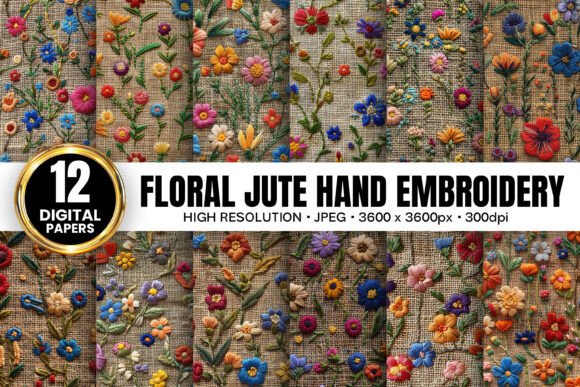
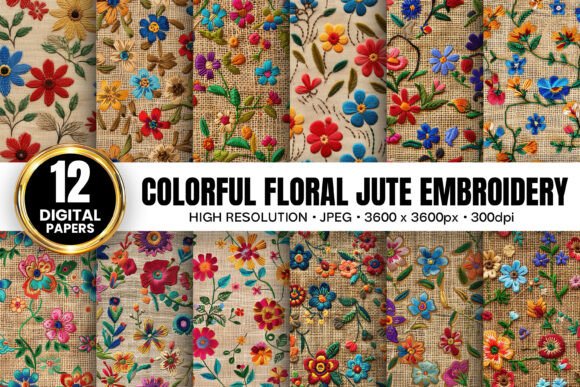
The title alone suggests a specific aesthetic direction. "Floral" implies softness and organic growth, while "Jute" introduces a rustic, textured, and earthy element. For a small business owner—whether running a boutique café, a florist shop, or a handmade candle brand—this combination strikes a balance between professional polish and artisanal charm. The inclusion of "Colorful" in the description indicates that these are not muted or monochromatic designs, but rather vibrant assets designed to catch the eye.
In the context of modern branding, this pattern feels versatile. It avoids being overly delicate, which is crucial for embroidery, where fine details can get lost in the stitch work. Instead, it projects a friendly, bold, and slightly playful energy. This makes it ideal for brands that want to appear accessible and warm without sacrificing a sense of quality. The seamless nature of the patterns allows for scalable application, meaning the design can adapt to various product sizes without losing its visual integrity.
Real-World Application for Small Business Merchandise
The true test of any embroidery file is its performance across different mediums. Here is how Colorful Floral Jute Embroidery Patterns translates to common commercial applications:
- Embroidered Patches: This is perhaps the strongest use case. The floral elements provide enough detail to look intricate, while the jute-like texture adds depth. These patterns work exceptionally well as chest logos or back-of-neck labels for apparel decorators looking to add a premium touch to custom apparel.
- Apron Embroidery: For bakeries, coffee shops, or craft studios, aprons are mobile billboards. The colorful nature of the design ensures visibility even in busy kitchen environments. The pattern’s structure likely holds up well against frequent washing, provided proper care instructions are followed.
- Cap Embroidery: Curved surfaces like caps present a challenge for complex patterns. However, if used as a sleeve detail or a smaller accent patch on the side of a cap, this design shines. It adds a pop of color that distinguishes staff uniforms from generic corporate wear.
- Tote Bag Design: Canvas and cotton tote bags are staples for Etsy sellers and event merch. The seamless aspect of the graphics allows for large-scale prints or repeated embroidery motifs that cover significant surface area, creating a cohesive brand identity across multiple items.
- Product Packaging Accents: Beyond clothing, these patterns can be applied to tags, hangtags, or fabric-wrapped boxes. This elevates the unboxing experience, making the handmade product feel more luxurious and thoughtfully presented.
Strategic Use Cases for Specific Industries
For a local florist, the floral motif is literal and reinforcing. For a pet brand, it softens the image and appeals to owners who value natural products. A creative studio might use it to showcase versatility. In each scenario, the design serves as a visual anchor that supports the core message of the business.
Technical Considerations and Potential Pitfalls
While the visual appeal is high, an experienced designer knows that not all digital graphics translate perfectly to machine embroidery. There are several areas where caution is required when using Colorful Floral Jute Embroidery Patterns.
Small Patch Sizes: If you intend to reduce the design to a very small size (under 2 inches), you must evaluate the stitch density. Intricate floral lines may merge together, creating a muddy appearance. It is essential to test the design at its smallest intended scale before committing to bulk production.
Thread Color Contrast: The description mentions "colorful," but on dark uniforms or dark fabrics, light threads can disappear. Conversely, bright colors on bright backgrounds can lack definition. Always inspect the thread color contrast against your target fabric. Using a stabilizer that matches the fabric weight is also critical to prevent puckering, especially on lightweight materials.
Textured Fabric Challenges: The "jute" aspect of the design suggests a rougher texture. If embroidered onto actual jute or burlap, the needle penetration might be difficult, leading to skipped stitches. On smoother fabrics, the design will render cleanly, but the illusion of jute relies heavily on the thread choice and stitch type. Ensure you are using the correct stitch density to mimic the desired texture without overloading the fabric.
High Stitch Density: Complex patterns often require dense stitching. While this adds durability, it can make the finished product stiff. For items like hats or delicate scarves, excessive density can ruin the drape. Review the spacing within the design to ensure it remains flexible and comfortable for the end user.
Impact on Brand Identity and Customer Trust
Investing in high-quality design assets directly influences customer perception. A consistent, professional-looking embroidered logo builds trust. When customers see a well-executed embroidered patch on a tote bag or uniform, they perceive the business as established and detail-oriented.
The unique blend of floral and jute elements helps differentiate a brand in a saturated market. It signals that the business values both beauty and sustainability (if jute is interpreted as eco-friendly). This alignment of visual style with brand values enhances buyer engagement and encourages repeat purchases. Furthermore, having a cohesive set of digital embroidery files allows for a unified look across all marketing materials, from social media mockups to physical products.
Practical Designer Notes for Production
To ensure success with Colorful Floral Jute Embroidery Patterns, follow these practical steps:
- Test in Black and White: Before adding color, digitize or print the pattern in grayscale. This helps identify if the structural lines hold up without the crutch of vibrant colors.
- Create a Printable Mockup: Use the provided JPG files to create realistic mockups for client approval. This allows stakeholders to visualize the design on actual products before production begins.
- Confirm Commercial Licensing: Verify that the purchase includes commercial rights for merchandise sales. Many digital assets have restrictions on how many units can be produced.
- Inspect Spacing and Outlines: Look closely at the detailed outlines. Are they too thin? Will they break during stitching? Adjustments may be needed in the digitizing phase.
- Check Hoop Size: Ensure the design fits within standard hoop sizes if you are producing on limited equipment. The description notes high-resolution files, so scaling down may be necessary for smaller hoops.
Conclusion
Colorful Floral Jute Embroidery Patterns offers a robust foundation for small businesses looking to elevate their merchandise game. Its blend of organic charm and vibrant color makes it suitable for a wide range of industries, from food service to retail. By understanding its technical limitations and leveraging its visual strengths, designers and business owners can create professional, durable, and attractive embroidered goods. Remember to always test on real fabric, verify licensing, and prioritize stitch quality to ensure your finished product reflects the high standards of your brand.