Simple DUCK Cross Stitch Patterns PDF Review
As an embroidery designer who spends half my life troubleshooting stitch errors and the other half optimizing designs for production, I look at every new asset with a critical eye. When Simple DUCK Cross Stitch Patterns PDF landed in my inbox, I didn’t just see a cute little bird; I saw potential for small business merch, branded patches, and consistent brand identity across product lines. For Etsy sellers, boutique owners, and apparel decorators, finding a design that balances aesthetic appeal with technical feasibility is rare. This review breaks down how this digital embroidery file performs when moved from the screen to the hoop, specifically for commercial applications.
First Impressions: Visual Personality and Brand Fit
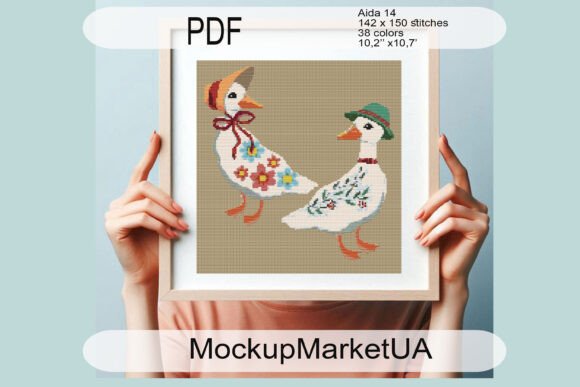
The title Simple DUCK Cross Stitch Patterns PDF suggests a minimalist approach, which is exactly what modern branding demands. In a market saturated with overly complex, cluttered designs, simplicity sells. The description highlights it as a "Modern Cross Stitch Pattern for Kids," but do not let the word "kids" limit your vision. The clean lines and uncluttered composition make it highly versatile. It feels friendly, playful, and premium simultaneously—a difficult balance to strike.
For a small café or a handmade bakery, this design offers a rustic yet polished look. It avoids being too childish while retaining a sense of whimsy. When evaluating a design asset for a brand, you are looking for visual consistency. This pattern provides a strong focal point without overwhelming the garment or product. It screams "handmade product" quality, which is essential for building customer trust and engagement in the craft community.
Real-World Business Applications
So, where does Simple DUCK Cross Stitch Patterns PDF actually shine in a commercial setting? Here is how I would deploy this embroidery file across various touchpoints:
- Embroidered Patches: The simple nature of the design makes it an excellent candidate for iron-on or sew-on patches. Because the detail level is moderate, it digitizes cleanly without losing definition on smaller scales. These patches can be used as back-of-shirt accents, bag charms, or loyalty rewards for regular customers.
- Chest Logos and Apron Embroidery: For staff uniforms in a boutique or creative studio, a small chest logo adds professionalism without being corporate. On canvas aprons, the duck motif serves as a welcoming mark that reinforces the brand’s personality. It works beautifully as a standalone element on the pocket area of work shirts.
- Cap Embroidery: Caps are a staple of custom apparel. This design’s compact footprint allows it to sit neatly on the front panel of a structured cap or as a side detail. The contrast between the cross-stitch texture and the smooth fabric of a cap creates a tactile experience that customers love.
- Tote Bag Design: A tote bag is often a walking billboard for a small business. Placing this simple cross stitch decor in the center or corner of a canvas tote provides a high-value feel. It elevates a basic item into a branded merchandise piece that customers are proud to carry.
- Product Packaging Accents: Beyond clothing, consider using this design on hang tags, gift boxes, or even as a printed label that mimics embroidery. If you sell candles, soaps, or baked goods, a small embroidered tag featuring the duck adds a layer of luxury and attention to detail.
Technical Considerations and Potential Pitfalls
Not every design works for every application. As a professional, I must advise caution in specific scenarios. While Simple DUCK Cross Stitch Patterns PDF is robust, its effectiveness depends heavily on execution.
First, consider stitch density. Cross-stitch patterns often rely on distinct blocks of color. If the original design has very fine details or tiny text elements, these may become muddy when stitched at a small patch size. Always test the design at 50% scale before committing to bulk production. If the duck’s features blur together, simplify the digitization by reducing the number of thread changes or merging similar colors.
Second, think about the substrate. Embroidering on dark uniforms requires a heavy-duty stabilizer and potentially a cut-away backing to prevent puckering. The white or light-colored threads typically used in cross-stitch will pop against dark fabrics, but ensure your underlay stitches are sufficient to keep the fabric flat. Conversely, on textured fabrics like raw denim or burlap, the design might get lost. Test on the actual fabric you plan to use to confirm visibility.
Additionally, avoid placing this design on curved surfaces unless you have advanced hooping skills. While caps are curved, they are pre-shaped. Applying this to a soft, unstructured hat or a rounded container may distort the geometric nature of the cross-stitch pattern. Keep the surface as flat as possible for the best result.
Brand Identity and Customer Perception
Using a cohesive design like this across multiple products strengthens your brand identity. When a customer sees the same duck motif on a tote, a cap, and an apron, it creates a memorable visual association. It signals that you care about aesthetics and quality. In the world of commercial embroidery, this consistency builds recognition. Customers return to brands that feel established and thoughtful. A well-executed embroidered patch of this design can increase the perceived value of your finished product, allowing for higher price points and better margins.
Practical Designer Notes for Production
Before you upload this digital embroidery file to your machine, follow these steps to ensure success:
- Test in Black and White: Convert the design to monochrome to check the silhouette. Does the shape read clearly? If not, adjust the spacing or simplify the shapes in your digitizing software.
- Check Thread Color Contrast: Ensure your chosen thread colors provide enough contrast against the final fabric. Light gray on white fabric will disappear; bright yellow on pastel pink may lack definition.
- Inspect Spacing and Hoop Size: Confirm that the design fits within your standard hoop size. If the design is larger than necessary, trim the background mesh to save time and thread.
- Create a Printable Mockup: Before stitching, create a printable mockup for client approval or internal review. This helps visualize the placement on the actual product, such as centered on a tote or offset on a cap.
- Verify Commercial Licensing: Most importantly, check the license terms included with the Simple DUCK Cross Stitch Patterns PDF. Ensure you have the right to use this graphics asset for resale items. Without proper licensing, your small business could face legal issues.
In conclusion, Simple DUCK Cross Stitch Patterns PDF is a versatile, charming, and commercially viable asset. It bridges the gap between traditional craft aesthetics and modern branding needs. By paying attention to technical details like stabilizer choice and stitch density, you can transform this simple pattern into a powerful tool for growing your handmade brand.