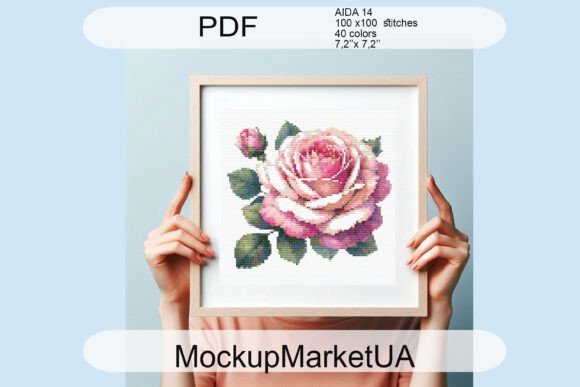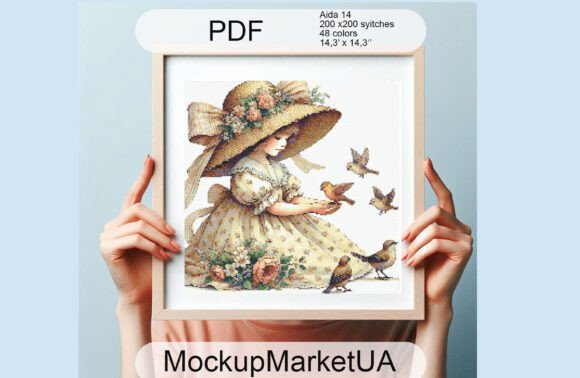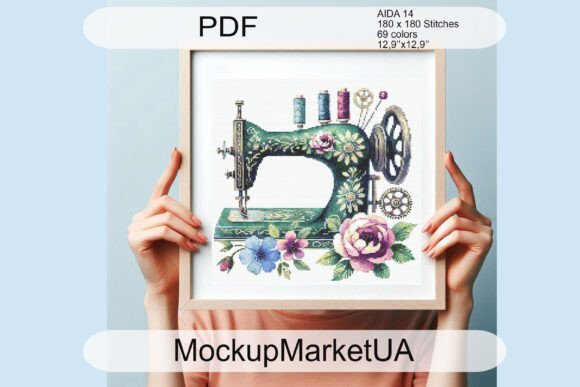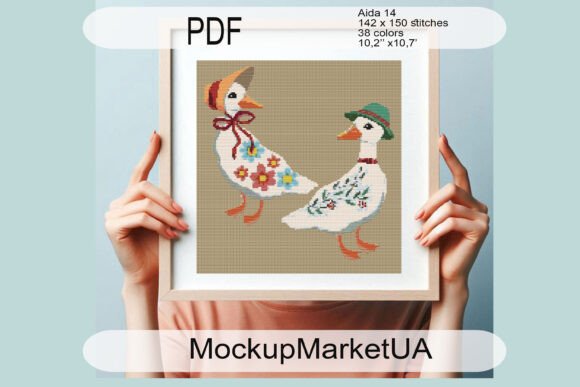
Easter Egg Cross Stitch Patterns PDF Review
As an embroidery designer who spends a significant amount of time prepping for weekend craft fairs and handmade markets, I know that the difference between a design that sits on the table and one that sells out by noon often comes down to visual impact and production practicality. When I first looked at the Easter Egg Cross Stitch Patterns PDF, my immediate reaction was one of cautious optimism. In a market saturated with generic holiday motifs, finding a design that balances festive charm with professional polish is rare. This product falls squarely into the Patterns category under Graphics, which suggests it is a digital asset intended for immediate use by creative entrepreneurs.
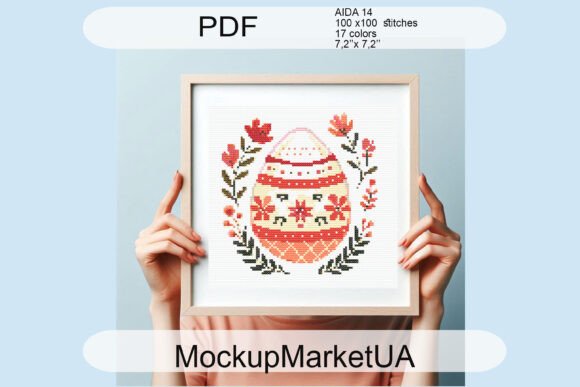
The title itself—Easter Egg Cross Stitch Patterns PDF—promises something specific: a celebration egg motif rendered in a cross-stitch aesthetic. For sellers, this is crucial. The "cross-stitch" look implies texture, nostalgia, and a handmade quality that resonates deeply with customers looking for authentic, artisanal goods rather than mass-produced items. Whether the final output feels rustic, modern, or elegant depends heavily on your thread choices and fabric selection, but the underlying structure appears designed to be versatile enough for multiple product lines.
First Impressions and Visual Appeal
When evaluating any new embroidery file for my booth, the first thing I consider is how it reads from three feet away. A common mistake among new Etsy sellers is choosing designs that are too intricate or small, causing them to disappear on larger products like tote bags. Based on the description highlighting "Festive, Celebration Egg," this design likely offers strong focal points. If the pattern includes bold outlines or high-contrast elements, it will stand out effectively against busy backgrounds.
The aesthetic potential here is broad. You can lean into a farmhouse vibe by using muted pastels on natural linen, or go for a bright, modern pop by using vibrant threads on white canvas. The key selling point of the Easter Egg Cross Stitch Patterns PDF is its thematic relevance. Easter is a massive shopping season for handmade gifts, and customers are actively searching for items that feel personal. A design that mimics the handcrafted look of traditional cross-stitch, even if executed via machine, taps into that emotional desire for warmth and tradition.
Product Application and Versatility
To maximize the return on investment for this digital embroidery file, you need to think beyond just the obvious. While a standard t-shirt is an option, the true value lies in higher-margin, gift-oriented items. Here is how the Easter Egg Cross Stitch Patterns PDF performs across various crafter fair products:
- Tote Bag Design: This is perhaps the strongest application. A well-placed egg motif on a sturdy canvas tote bag looks premium and functional. It serves as a great impulse buy for shoppers carrying their other purchases.
- Apron Embroidery: Kitchen-themed gifts are perennial sellers. Placing the design centrally on a bib apron or slightly off-center on the pocket adds a touch of whimsy to kitchen decor.
- Tea Towel Embroidery: Lightweight cotton tea towels are perfect for this style. The cross-stitch aesthetic pairs beautifully with the texture of waffle-weave or flax fabrics, creating a cohesive handmade product that feels luxurious.
- Embroidered Patch: If the design allows, digitizing it as a patch gives you immense flexibility. Patches can be sewn onto denim jackets, backpacks, or caps, expanding your reach to customers who might not want full embroidery on a garment.
- Fabric Pouches and Market Bags: Small zippered pouches filled with bath salts or homemade cookies make excellent low-cost entry points for buyers. The design should scale well here without losing detail.
- Pillow Covers: For home decor enthusiasts, a square pillow cover featuring the egg motif adds seasonal flair to living rooms. This is a high-perceived-value item that justifies a higher price tag.
Production Practicality and Sales Strategy
From a business standpoint, ease of production is just as important as aesthetics. I look for designs that are quick to hoop and stable to stitch. The Easter Egg Cross Stitch Patterns PDF needs to be evaluated for its stitch density. If the design is overly dense, it may take too long to produce during peak season, eating into your profit margins. Conversely, if it is too sparse, it might look cheap on textured fabrics.
Photography is another critical factor. For your Etsy listings and social media marketing, the design must photograph well. Cross-stitch patterns have inherent texture due to the X-shaped stitches. Ensure that when you create your printable mockup or shoot real samples, the lighting highlights this texture. Customers cannot touch the product online, so visual cues of quality are essential. A design that looks crisp and clean in photos converts better than one that appears muddy or indistinct.
Batch production is key for craft fairs. Can you set up your machine to run this design repeatedly? If the hoop size is manageable and the setup is consistent, you can churn out dozens of units before the event. The versatility of the egg theme means you can offer variations in colorways, allowing customers to choose their favorite palette while you maintain efficient production workflows.
Careful-Use Notes and Quality Control
Before committing to a large run, there are several technical considerations to keep in mind. First, inspect the stitch density. Areas with tight clustering can cause fabric distortion, especially on lightweight materials like tea towels. Always test on scrap fabric to see how the design interacts with the weave.
Pay close attention to tiny details. If the design includes small lettering or fine lines, ensure they remain legible after stitching. On curved surfaces like caps, complex designs can pucker or distort, so flat items like tote bags and aprons are safer bets for beginners. Additionally, thread contrast is vital. Dark eggs on dark fabric will vanish, while light threads on white fabric might lack definition. Choose colors that pop against your chosen fabric texture.
Stabilizer choice also plays a huge role. Using the wrong stabilizer can lead to poor registration or messy backings. For woven fabrics, cut-away stabilizer is usually best, while tear-away might suffice for heavier canvases. Always check the recommended stabilizer for the specific embroidery design you are using.
Designer’s Checklist for Success
To ensure your small shop product stands out, follow these steps:
- Test on Scrap Fabric: Never skip this step. It reveals issues with tension, density, and color blending.
- Check Thread Contrast: Ensure the threads provide enough visual separation against the base fabric.
- Review Spacing: Make sure the design fits comfortably within your hoop without cutting off edges.
- Confirm Hoop Size: Verify that the design dimensions match your machine’s capabilities.
- Inspect Stitch Density: Look for areas that may require additional support or fewer stitches.
- Create a Real Mockup: Show potential customers a finished sample at your booth to demonstrate quality.
- Compare Fabric Colors: Test different fabric shades to see which enhances the design most effectively.
- Confirm Commercial Licensing: Most importantly, verify that you have the right to sell finished products made from this design assets pack. Without proper licensing, you risk legal issues.
In conclusion, the Easter Egg Cross Stitch Patterns PDF has the potential to be a standout item in your spring lineup. Its festive theme, combined with the timeless appeal of cross-stitch aesthetics, makes it a strong candidate for commercial embroidery projects. By paying attention to production details and presenting your finished product professionally, you can turn this digital file into a profitable reality for your handmade business.