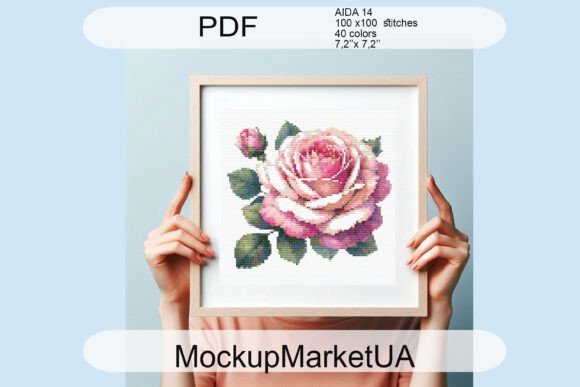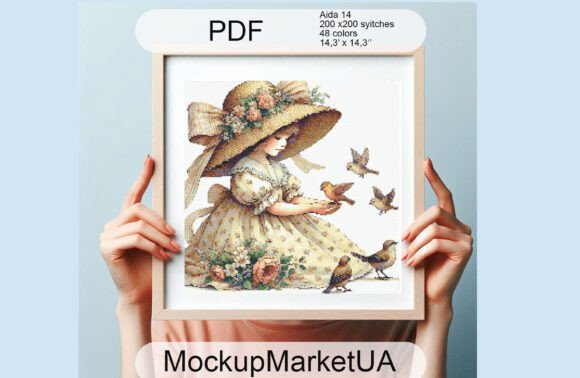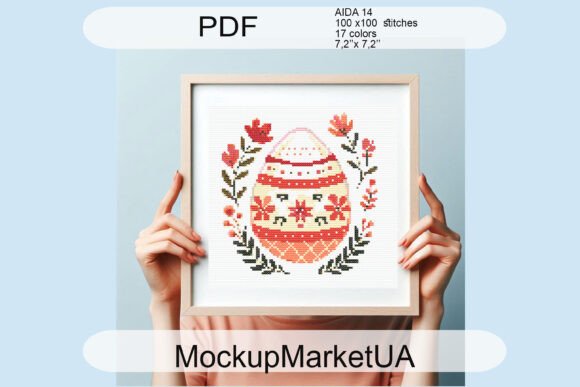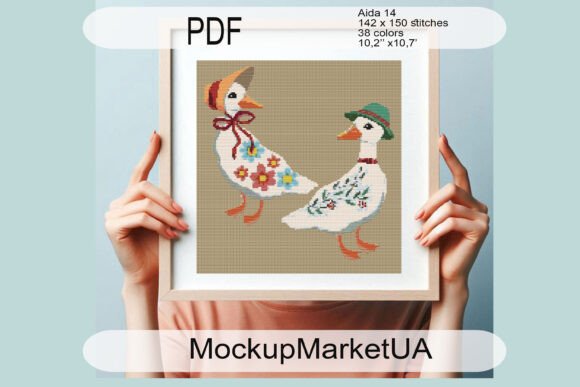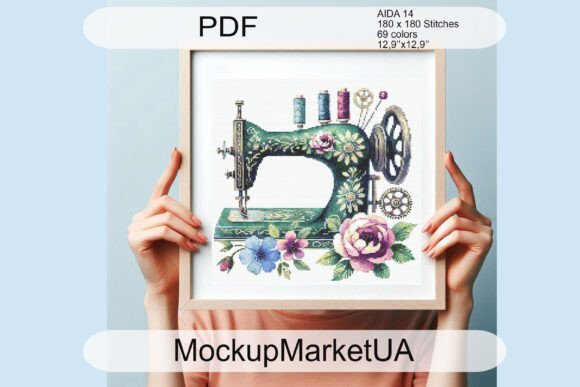
Sewing Machine Cross Stitch Patterns PDF Review
As an embroidery designer who spends half my life in front of the hoop and the other half packing boxes for weekend craft fairs, I have learned that not all digital files are created equal. When a new Sewing Machine Cross Stitch Patterns PDF lands on my desk, I don’t just look at the preview image; I think about how it will perform under the harsh lights of a convention center, how it will sit on a crowded table next to competitors, and whether it will actually sell to the average shopper walking by. Today, I am reviewing this specific embroidery file with a critical eye, focusing on its potential as a craft fair product and a staple for any serious Etsy seller.
First Impressions: The Visual Appeal
The title suggests a blend of traditional charm and modern convenience. From a design perspective, the term "Cross Stitch" implies a textured, tactile quality that machine embroidery can mimic beautifully if executed correctly. My first impression is one of versatility. This digital embroidery file feels like it bridges the gap between rustic farmhouse decor and clean, modern minimalism. It is not overly ornate, which is a good sign. Overly complex designs often get lost on small products or require excessive digitizing adjustments.
For the handmade market, simplicity is key. Shoppers at craft fairs make decisions quickly. A design that reads clearly from three feet away is a winner. This Sewing Machine Cross Stitch Patterns PDF appears to offer strong visual contrast and clear lines, making it an excellent candidate for immediate recognition. It has that "soft" aesthetic that appeals to buyers looking for giftable items, yet it retains enough structure to look premium rather than amateurish.
Product Applications: Where Does It Shine?
When evaluating a design for production, I immediately visualize where it fits best. Based on the characteristics of this cross stitch pattern, here is how it performs across various commercial embroidery categories:
- Tote Bag Design: This is perhaps the strongest application. A cross-stitch style design on a canvas tote bag screams "artisan." It photographs exceptionally well for online listings, providing a cozy, inviting vibe that drives clicks. As a small shop product, tote bags are high-volume sellers, and this design offers the perfect focal point without overwhelming the fabric.
- Apron Embroidery: For kitchen-themed booths, placing this design on the bib of a linen apron adds a touch of elegance. However, you must ensure the placement does not interfere with functionality. The cross-stitch texture pairs beautifully with natural fabrics like cotton or hemp, enhancing the fabric texture appeal.
- Tea Towel Embroidery: This is a classic craft fair item. The design’s likely moderate size makes it ideal for the corner or center of a tea towel. It feels practical yet decorative, encouraging impulse buys from customers looking for household gifts.
- Embroidered Patch: Converting this into a patch allows for immense versatility. You can attach these patches to denim jackets, backpacks, or hats. Patches are low-cost entry points for customers, making them a great way to introduce your brand to new buyers.
- Caps and Pillows: On structured caps, the design needs to be sturdy. If the stitch density is too light, it may pucker on curved surfaces. On pillow covers, however, it can serve as a large, statement piece that anchors the room’s decor.
Production Practicality and Batch Potential
One of the biggest challenges for creative entrepreneurs is scalability. Can you produce fifty of these items in a day without burning out? This graphics asset seems designed for efficiency. The cross-stitch motif typically uses fewer thread changes than intricate floral scenes, which speeds up hooping and stitching time. This efficiency translates directly to higher profit margins.
Furthermore, the design feels repeatable. Whether you are creating a set of matching coasters or a series of gift tags, the aesthetic remains consistent. This consistency is vital for brand consistency. When a customer sees your booth, they should recognize your style instantly. A cohesive collection built around this Sewing Machine Cross Stitch Patterns PDF will look professional and curated, increasing perceived value.
Photography and Online Listings
In the digital age, your printable mockup is just as important as the physical product. This design lends itself well to lifestyle photography. Imagine it stitched on a neutral beige apron, displayed next to fresh herbs or a cup of coffee. The cross-stitch texture catches the light differently than satin stitches, adding depth to your photos. For Etsy sellers, using such distinct textures helps your images stand out in search results, potentially lowering your cost per click by attracting more organic interest.
Critical Considerations for Quality Control
Before committing to mass production, there are several technical aspects I must warn you about. Even the best design assets can fail if the execution is poor.
- Stitch Density Check: Examine the stitch density closely. Cross-stitch patterns can sometimes appear sparse if the underlay is insufficient. On dense fabrics, this can lead to puckering. Conversely, if the design is too dense, it may become stiff and uncomfortable, especially on apparel like apron embroidery.
- Fabric Texture Compatibility: Avoid using this design on highly textured towels or thick fleece unless you have tested it. The fine details of a cross-stitch simulation can get lost in deep weaves. Stick to smooth cottons, linens, or stable blends for the clearest result.
- Hoop Size Constraints: Always confirm the recommended hoop size. If the design requires a large hoop, your production speed will drop. Ensure the dimensions fit comfortably within standard commercial hoops to maximize throughput.
- Thread Contrast: Choose threads that provide high contrast against your base fabric. Low-contrast color combinations can make the intricate details disappear, resulting in a muddy look that reduces customer attention.
- Small Details and Lettering: If the design includes text, verify that the lettering is legible at the intended final size. Tiny details often suffer when transferred to curved surfaces like caps or rounded pouches.
Final Verdict: Is It Worth Adding to Your Inventory?
After weighing the pros and cons, the Sewing Machine Cross Stitch Patterns PDF emerges as a strong contender for both handmade product creators and digital resellers. Its aesthetic hits the sweet spot between trendy and timeless, ensuring longevity in your catalog. It works beautifully as a tote bag design, shines on kitchen textiles, and offers excellent potential for accessory markets.
However, success depends on your preparation. Do not skip the testing phase. Always embroider a sample on scrap fabric to check the stabilizer choice and tension. Create at least one real mockup to see how the colors interact in natural light. Confirm your commercial licensing terms before listing finished goods for sale, as this protects your business reputation.
For the embroidery business owner looking to expand their craft fair offerings with items that are easy to produce but visually striking, this pattern is a valuable addition. It supports batch production, enhances brand identity, and delivers the handmade quality that today’s consumers crave. By paying attention to the technical details and leveraging the design’s inherent charm, you can turn this simple embroidery file into a best-selling finished product that keeps your booth busy and your customers happy.