Satin Stitch Flowers Embroidery Patterns Review
As an embroidery designer who has spent years refining the balance between aesthetic appeal and technical precision, I am always looking for design assets that can elevate a simple garment into a statement piece. Recently, I evaluated Satin Stitch Flowers Embroidery Patterns with a specific project in mind: a limited-edition sweatshirt drop for a small boutique brand. The goal was to create a cohesive collection that felt premium yet accessible, suitable for Etsy sellers, custom apparel decorators, and creative entrepreneurs looking to stand out in a crowded market.
First Impressions and Aesthetic Evaluation
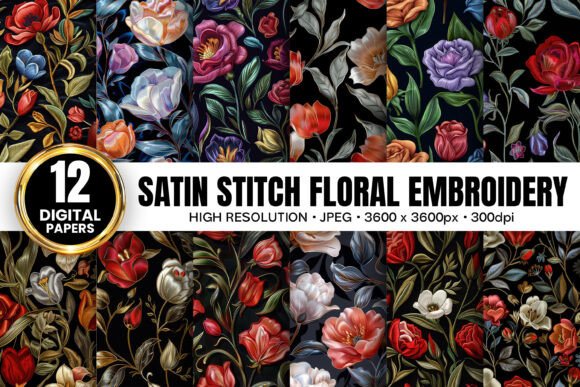
The immediate visual impact of Satin Stitch Flowers Embroidery Patterns is one of vibrant energy mixed with classic elegance. The title suggests a focus on the satin stitch technique, which is known for its smooth, glossy finish that mimics the texture of silk or high-quality thread work. In the context of this digital asset pack, the "seamless" nature of the patterns offers incredible versatility. Instead of a single isolated motif, you get a repeating layout that feels organic and flowing.
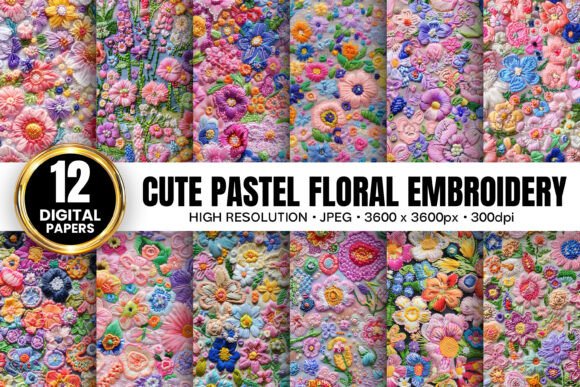
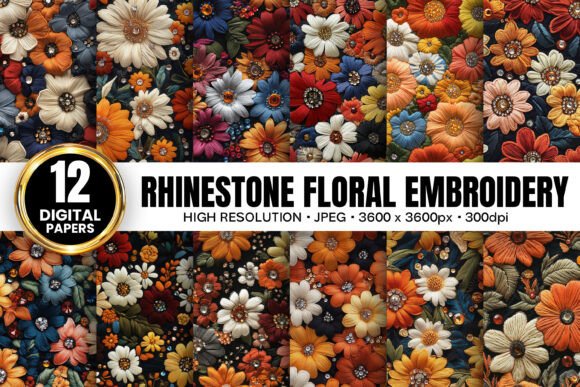
When reviewing the 12 high-resolution digital papers included in the ZIP files, the mood struck me as playful yet sophisticated. The color palette appears rich and varied, allowing for significant customization. For a boutique brand, this is crucial because it allows you to match the embroidery to specific seasonal themes—whether that’s pastel blooms for spring collections or deeper, jewel-toned flowers for autumn drops. The design feels decorative without being cluttered, striking a balance that works well for both feminine and gender-neutral apparel lines.
Application on Sweatshirts and Hoodies
Translating a digital graphic to a physical sweatshirt embroidery project requires careful consideration of scale and placement. Here is how I envision Satin Stitch Flowers Embroidery Patterns performing across different garments:
- Neutral Sweatshirts: On cream, oatmeal, or heather grey fabric, the colorful flowers will pop with high contrast. The satin stitch reflects light beautifully against matte cotton blends, creating a tactile luxury feel.
- Dark Fabric: Using these patterns on black or navy hoodies creates a bold, streetwear-inspired look. The bright thread colors will stand out sharply, making the design feel modern and edgy.
- Oversized Hoodies: The seamless nature of the pattern allows for expansive designs. You could use the pattern as a large back print or wrap around the sleeves, turning a basic hoodie into a high-value custom apparel item.
- Pastel Colors: For a softer, cottage-core aesthetic, placing these flowers on blush or lavender fabrics enhances the delicate nature of the floral motifs.
I also considered chest placement. A smaller, cropped version of the seamless pattern works exceptionally well as a left-chest logo or accent. This subtle branding approach is highly effective for boutique brand identity, offering visual recognition without overwhelming the wearer.
Technical Considerations for Production
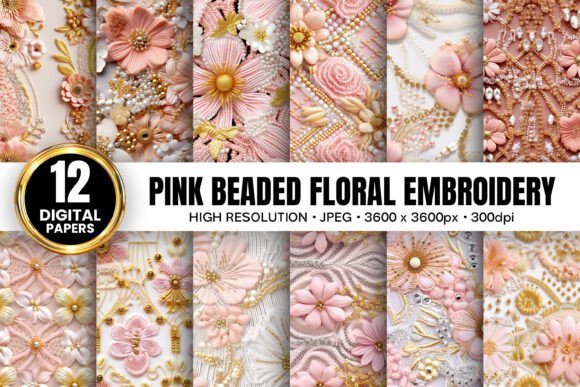
While the visual potential is clear, the success of any machine embroidery design relies heavily on technical execution. Since the product description specifies that you receive JPG format files at 3600 x 3600 pixels, it is important to clarify that these are likely printable mockups or digital reference graphics rather than direct machine-readable .dst or .pes files. As such, they serve as excellent design assets for digitizing your own unique stitches or for creating digital previews.
Here are the practical concerns every designer must address when moving from concept to production:
- Stitch Density and Fabric Texture: Satin stitches require a balanced density. If the digitization is too dense, the fabric (especially thick fleece) may pucker. If too sparse, the underlying fabric shows through. You must test your stitch density on scrap material to ensure the threads lay flat and smooth.
- Thread Color Contrast: The digital preview shows vibrant colors, but thread availability varies. Ensure you have high-quality polyester or rayon threads that match the saturation seen in the 300 DPI images. Low-quality thread can dull the shine of the satin stitch.
- Stabilizer Choice: For sweatshirt embroidery, a cut-away stabilizer is non-negotiable. It provides the necessary support to prevent distortion during the stitching process and ensures the finished product holds up over time.
- Hoop Size and Placement: The seamless pattern allows for flexibility in hoop size. However, you must plan your layout carefully to avoid awkward seams or sleeve intersections unless that is the intended design feature.
- Washing Durability: High-density satin stitches can trap lint and moisture. Recommend cold washing and air drying to maintain the integrity of the embroidery, ensuring your handmade product retains its premium feel.
Impact on Brand Value and Customer Engagement
In the world of online retail, particularly for Etsy sellers and small shop owners, presentation is everything. Using Satin Stitch Flowers Embroidery Patterns as a basis for your designs can significantly enhance perceived value. Embroidery is often viewed as more luxurious than screen printing because of its texture and depth. When customers see a close-up image of the satin stitch catching the light, it communicates quality and attention to detail.
This level of detail builds buyer trust. A small shop product that features intricate, well-executed embroidery stands out in search results and social media feeds. It encourages engagement, as customers are more likely to share photos of textured, high-quality items. Furthermore, the versatility of the pattern allows you to create a cohesive brand identity across multiple items—hoodies, crewnecks, and even tote bags—creating a recognizable visual language for your audience.
Final Verdict for Creative Entrepreneurs
Satin Stitch Flowers Embroidery Patterns is a versatile and visually striking resource for anyone looking to expand their apparel offerings. The inclusion of 12 high-resolution digital papers provides ample inspiration and planning material. While these are primarily graphics for design and mockup purposes, they offer a solid foundation for creating commercial-grade embroidery projects.
For designers, the key takeaway is to treat these patterns as a starting point. Use the 300 DPI clarity to guide your digitization process, paying close attention to thread choices and stabilizer support. By doing so, you can transform these digital assets into tangible, high-value goods that resonate with customers seeking unique, handmade fashion.
If you are ready to launch a new line of cozy, stylish apparel, these patterns provide the perfect blend of beauty and functionality. They allow you to create a commercial embroidery collection that feels personal, professional, and distinctly yours. Just remember to verify specific digitization requirements and test samples before full-scale production to ensure every stitch meets your boutique standards.