Cute Pastel Flowers Embroidery Patterns Review
As an embroidery designer who spends weekends hunched over a sewing machine and weekdays planning inventory for craft fairs, I have learned that visual appeal is only half the battle. The other half is production viability. When I first looked at Cute Pastel Flowers Embroidery Patterns, my immediate reaction was one of cautious optimism. The title suggests a soft, approachable aesthetic that aligns perfectly with current trends in handmade goods, but does it hold up under the scrutiny of a busy booth table?
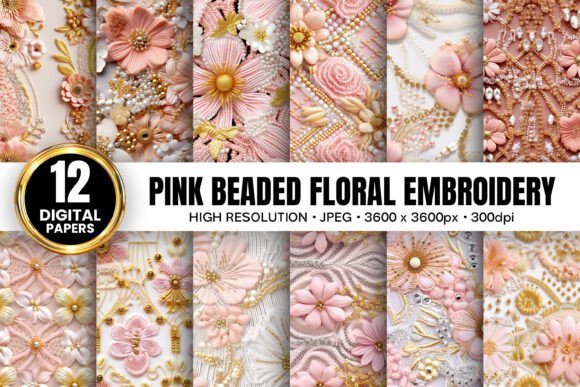
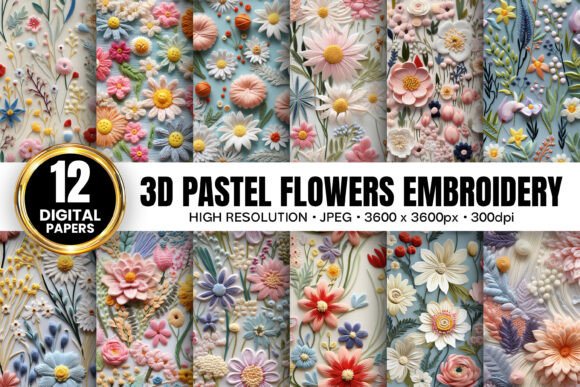
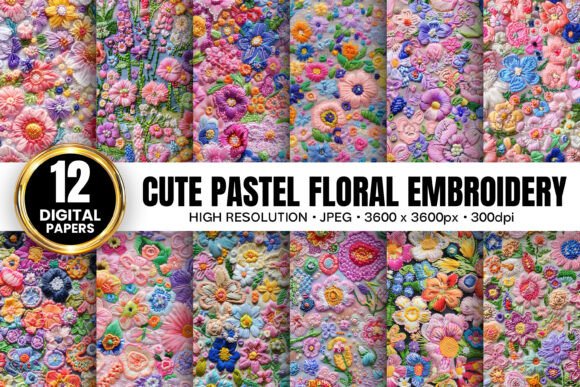
I recently evaluated this set of design assets to determine if they would be worth adding to my workflow for an upcoming market season. The package includes 12 high-resolution digital papers in JPG format at 300 DPI. While these are technically digital embroidery file components or design assets rather than direct .PES or .DST machine files, their utility for creating a cohesive brand identity cannot be overstated. Here is my professional review of how Cute Pastel Flowers Embroidery Patterns performs as a foundation for craft fair products.
First Impressions and Aesthetic Appeal
The moment you unzip the file, the pastel color palette stands out. In a sea of bold, neon, or rustic farmhouse designs often seen at markets, this collection offers a delicate, feminine touch. It feels modern yet timeless. For an Etsy seller or a boutique maker, this aesthetic bridges the gap between nursery decor and everyday fashion.
The seamless nature of the patterns is a significant selling point. Unlike single motifs that require precise placement judgment, these repeating floral arrangements allow for creative freedom. You can scale them up for large focal points on tote bags or tile them across fabric pouches without worrying about awkward edges. The visual rhythm of the flowers creates a premium feel, suggesting that the finished product is thoughtfully designed rather than slapped together.
Product Application: Where Do They Sell Best?
To truly judge a design, you must see it on the actual item. I mentally mapped Cute Pastel Flowers Embroidery Patterns onto several key handmade product categories:
- Tote Bag Design: This is perhaps the strongest application. A canvas tote featuring a border of these pastel flowers along the bottom hem looks chic and understated. Alternatively, using the pattern as a full-surface print on a lined bag offers a vibrant alternative to plain canvas. The high resolution ensures the details remain crisp even when printed or transferred.
- Apron Embroidery: For kitchen-focused vendors, these patterns work beautifully on white or light beige aprons. Placing a cluster of the flowers near the pocket area adds a functional yet decorative touch. However, care must be taken with stitch density if converting to actual embroidery, as too much coverage on thin cotton can pucker the fabric.
- Tea Towel Embroidery: Linen or cotton tea towels benefit from the softness of these colors. The patterns add a "gift-ready" quality that increases perceived value. Customers often buy these as impulse purchases because they look beautiful hanging in a kitchen display.
- Embroidered Patch: If you plan to use these as appliqué patches, the seamless nature allows you to cut around the flower clusters effectively. They make excellent accessories for denim jackets, backpacks, and beanies.
- Small Pouches and Market Bags: For zippered pouches used for cosmetics or stationery, these patterns provide a delightful surprise inside or a stylish exterior. The repeatable nature allows for efficient cutting and sewing, which is crucial for batch production.
Production Practicality and Technical Considerations
While the visual aspect is strong, a designer’s job is to ensure the product is manufacturable. Since these are provided as high-resolution JPGs, you will likely need to digitize them or use them for sublimation/print-on-demand workflows. Here are critical technical notes to keep in mind:
- Stitch Density and Detail: If you are converting these into an embroidery file, pay close attention to the tiny petals. Fine details may get lost if the stitch density is too low or if the thread count is too high. Test on scrap fabric to ensure the individual flowers remain distinct.
- Hoop Size Constraints: Ensure the design fits within your standard hoop sizes (e.g., 4x4, 5x7, or 6x10 inches). Seamless patterns often require larger hoops to show off the repetition. If your machine has a smaller maximum size, you may need to crop the pattern strategically.
- Stabilizer Selection: The choice of stabilizer is vital. For stretchy fabrics like jersey caps or t-shirts, a tear-away or cut-away stabilizer is necessary to prevent distortion. For woven cottons used in aprons, a lightweight tear-away usually suffices.
- Fabric Texture Compatibility: Avoid placing intricate pastel designs on heavily textured fabrics like burlap or thick chenille. The texture will interfere with the clarity of the flowers. Smooth cottons, linens, and blends yield the best results.
Photography and Online Presentation
In today’s market, your printable mockup is just as important as the physical item. Cute Pastel Flowers Embroidery Patterns photograph exceptionally well because the light colors reflect ambient light nicely, making images appear bright and inviting. When listing these on Etsy or your own website, use natural lighting to capture the true hue of the pastels. Avoid filters that oversaturate the colors, as buyers expect accuracy.
Creating a cohesive brand board with these patterns helps establish trust. Show the pattern applied to multiple items—a tote next to a tea towel next to a cap—to demonstrate versatility. This cross-selling strategy encourages customers to buy more than one item, increasing your average order value.
Final Verdict for Craft Fair Sellers
Does Cute Pastel Flowers Embroidery Patterns deserve a spot in your production queue? Yes, absolutely. It offers a versatile, high-quality aesthetic that appeals to a broad demographic, from young mothers buying baby gifts to professionals seeking subtle workplace accessories.
However, success depends on execution. Always test the design on your specific fabric before committing to bulk production. Check thread contrast carefully; pastel threads on dark fabrics will disappear, so stick to light-colored bases or use backing to enhance opacity. Confirm commercial licensing terms before selling finished goods to protect your business.
By leveraging the seamless nature of these patterns and paying attention to technical details like hoop size and thread colors, you can create stunning commercial embroidery products that stand out at any craft fair. These designs are not just pretty pictures; they are strategic tools for building a profitable handmade brand.