Red Flower Cross Stitch Pattern
As an embroidery designer who spends weekends hunched over a hoop and weekdays prepping for craft fairs, I have learned one hard truth: what looks good on a screen does not always sell on a table. When I received the Red Flower Cross Stitch Pattern by Petit Citron, my first instinct was to look at it through the eyes of a customer walking past a booth. Would they stop? Would they touch the fabric? Would they buy?
This review is not just about the aesthetics of the design itself, but about its viability as a craft fair product. We are looking at this from the perspective of production, display, and sales potential. If you are an Etsy seller, a boutique maker, or a creative entrepreneur planning your next market run, here is how the Red Flower Cross Stitch Pattern stacks up in the real world.
First Impressions and Visual Impact
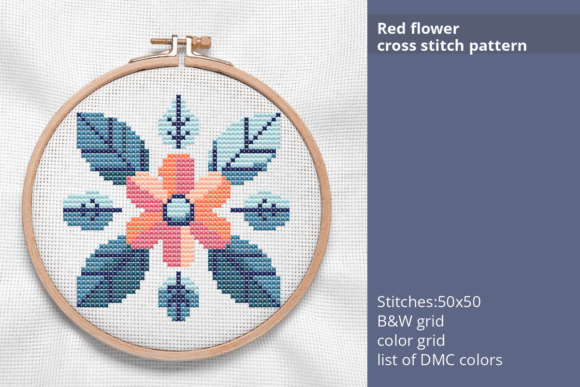
The title suggests a classic, perhaps slightly rustic or cottage-core vibe. Red flowers are timeless. They pop against neutral backgrounds, which is crucial for catching the eye in a crowded hall. The description notes that the chart comes with suggested colors using DMC thread, but allows for mixing and matching. This flexibility is a huge plus for a small shop product owner because it means you can adapt the color palette to match current trends or specific customer requests without needing a new digital file.
In terms of mood, the design feels decorative and premium. It is not overly busy, which is often a mistake in handmade goods. A clean, bold focal point like a red flower tends to read well from three feet away—the average distance a shopper stands when browsing a table. It feels suitable for farmhouse decor, spring markets, or even Valentine’s Day displays. It strikes a balance between cute and elegant, making it versatile enough for a wide range of buyers.
Product Application and Sales Potential
Not all designs work on all surfaces. Here is where the Red Flower Cross Stitch Pattern truly shines when applied to common handmade products:
- Tote Bags: A single red flower centered on a canvas tote bag is a classic tote bag design. It photographs beautifully for online listings and looks substantial on the bag. It does not get lost in the weave of heavy cotton canvas.
- Apron Embroidery: Placing this on the bib or pocket of a linen apron adds a touch of personality to kitchen wear. It elevates a basic item into a gift-worthy piece. This is high-value territory for craft fairs.
- Tea Towel Embroidery: Linen tea towels are impulse buys. A small, concentrated floral design works perfectly here. Because the pattern uses standard DMC threads, the sheen of the floss contrasts nicely with the matte texture of the towel, creating visual interest.
- Embroidered Patch: If you plan to sell patches, this design is ideal. The distinct shape of a flower allows for clean satin stitch borders (if digitized) or neat backstitching. Patches are low-cost items that drive volume sales at booths.
- Pillow Covers: For home decor enthusiasts, a square pillow cover featuring this motif feels cozy and inviting. It appeals to the "hygge" aesthetic that is consistently popular in handmade markets.
However, caution is advised for curved surfaces like caps. While possible, the curvature can distort the symmetry of the flower unless the design is specifically digitized for caps. For a general cross stitch patterns chart, flat surfaces yield the best results.
Photography and Online Listings
If you are also an Etsy seller, you need to think about the printable mockup. The red color of the flower provides excellent contrast against white, cream, or light grey backgrounds. This makes it easy to create clean, professional images for your shop. The simplicity of the subject matter means it will not compete with busy background textures in your photos. A clear shot of the finished product held in hand or displayed on a mannequin will help customers visualize the scale and detail.
Production Practicality
For a business owner, time is money. The Red Flower Cross Stitch Pattern appears to be a manageable project for batch production. It is not so intricate that it requires hours of painstaking work per unit, nor is it so simple that it feels cheap. This "sweet spot" is essential for maintaining healthy profit margins.
The ability to change thread colors is a strategic advantage. If you notice blue flowers selling better in winter, you can switch your spools without buying a new design. This adaptability keeps your inventory fresh and relevant. Furthermore, because it is a graphic-based design, it translates well to various mediums. Whether you are stitching by hand or using a machine embroidery setup, the core visual remains strong.
Technical Considerations for Success
To ensure your commercial embroidery efforts are successful, keep these practical tips in mind:
- Test on Scrap Fabric: Before committing to your best apron or tote, stitch the design on a scrap of the exact fabric you plan to use. Fabric texture affects how the stitches sit. A loose weave might show gaps; a tight weave might hide detail.
- Check Stitch Density: Ensure the design is not too dense. Excessive density can make the fabric stiff and uncomfortable, especially on items like pillow covers or bags that need to hold their shape. Look for areas where stitches might overlap excessively.
- Confirm Hoop Size: Verify that the design fits comfortably within your standard hoop sizes. Trying to stretch a design beyond its intended limits can cause distortion. If the design is large, consider breaking it into sections or using a larger hoop if available.
- Use the Right Stabilizer: For items like tea towels or lightweight cottons, a cut-away stabilizer is often necessary to prevent puckering. For heavier fabrics like denim or canvas, a tear-away might suffice, but test first.
- Inspect Thread Contrast: The suggested DMC colors are a great starting point, but check them against your actual fabric. Dark red on dark fabric will disappear. Light red on bright yellow might clash. Adjust the thread colors to ensure maximum visibility and appeal.
Final Verdict
The Red Flower Cross Stitch Pattern by Petit Citron is a solid choice for makers looking to expand their design assets. It offers a blend of aesthetic charm and production practicality. It is bold enough to stand out on a crowded booth table yet refined enough to command a higher price point as a handmade gift.
It is particularly well-suited for machine embroidery design applications where consistency and speed are key, though it serves hand-stitchers well too. By testing your samples, paying attention to stabilizer choices, and leveraging the color flexibility, you can turn this digital chart into a series of best-selling physical items.
Remember, the success of any craft fair product lies in the details. Does the backing look clean? Is the fabric pressed? Does the final piece feel substantial? When you pair a beautiful design like this with quality execution, you build brand consistency and customer trust. For the digital embroidery file enthusiast or the traditional stitcher, this pattern offers a reliable foundation for creating profitable, beautiful graphics that resonate with buyers. Just be sure to confirm all technical specifications, such as exact stitch counts and licensing terms, directly from the creator before scaling up your production.