Blueberry Cross Stitch Beginner Pattern Review
As an embroidery designer who spends most of my days evaluating digital assets for commercial viability, I approach every new download with a mix of curiosity and skepticism. When I first landed on the Blueberry Cross Stitch Beginner Pattern from Creative Fabrica, I wasn’t just looking for a cute motif; I was looking for something that could translate seamlessly into a tangible, sellable product. The market is saturated with generic fruit designs, so finding a piece that balances aesthetic charm with practical stitchability is rare. This review breaks down whether this specific file deserves a spot in your design library and how it performs when moved from screen to fabric.
First Impressions: Visual Mood and Design Personality
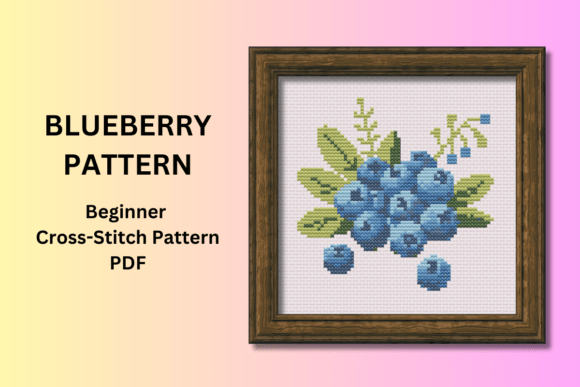
The immediate appeal of the Blueberry Cross Stitch Beginner Pattern lies in its simplicity. For beginners and seasoned designers alike, there is a distinct satisfaction in working with patterns that rely on clean lines and clear color blocking rather than intricate, overwhelming gradients. The visual mood here is fresh, organic, and slightly rustic. It evokes the feeling of a summer garden or a cozy kitchen counter, making it inherently "gift-able."
From a design perspective, the composition works because it doesn't fight for attention. The blueberries are rendered with enough detail to be recognizable but simplified enough to remain legible at smaller scales. This is crucial for our niche. We aren't just stitching for art’s sake; we are stitching for application. The pattern feels like it was designed with the end-user in mind, offering a balance of decorative appeal and manageable complexity. It has a cheerful personality that stands out against neutral backgrounds without being loud or chaotic.
Real-World Application: From File to Finished Product
The true test of any Creative Fabrica embroidery asset is how it behaves when applied to real-world products. I evaluated this cross stitch pattern with several potential use cases in mind, ranging from apparel to home decor.
- Tote Bag Design: This is perhaps the strongest candidate. The compact nature of the blueberry cluster fits perfectly within standard hoop sizes often used for tote bags. When placed on canvas or cotton twill, the contrast between the deep blue threads and the natural fabric creates a striking, boutique-quality look.
- Kitchen Towels and Aprons: Given the fruit theme, this pattern aligns naturally with kitchen aesthetics. On a white or cream linen towel, the design adds a pop of color that enhances the product's visual appeal. It transforms a basic utility item into a personalized gift.
- Nursery Decor and Baby Items: The soft, rounded shapes of the berries make this suitable for baby blankets or nursery wall hangings. However, caution is advised regarding thread choice; ensuring the blues are not too harsh ensures the design remains soothing rather than jarring.
- Embroidered Patches: If you plan to create iron-on patches for denim jackets or caps, this pattern’s defined edges work well. It allows for clean satin stitch borders if you choose to add them, creating a professional finish that elevates the perceived value of the handmade product.
Technical Performance and Practical Considerations
While the design looks excellent on screen, translating it to fabric requires careful technical execution. As a designer, I always stress the importance of testing before mass production. Here are the critical factors to consider when using this embroidery file.
Hoop Size and Stitch Density
One of the primary concerns with any beginner pattern is the scale. You must confirm the intended hoop size before committing to a large garment. If the design is meant for a 4x4 inch hoop, attempting to enlarge it significantly on a sweatshirt might result in a loss of detail. Conversely, keeping it small allows for versatile placement, such as on the cuff of a sleeve or the corner of a pillow cover. Check the stitch density carefully; dense areas can pucker lightweight fabrics if not supported properly.
Fabric and Stabilizer Selection
The success of this project hinges heavily on your substrate. Because cross-stitch mimics the texture of Aida cloth, it looks best on woven fabrics with some structure. Avoid stretchy knits unless you are using a heavy-duty stabilizer and a tear-away backing to prevent distortion. For dark fabrics, you will need to evaluate the thread colors closely. Lighter blues may get lost, while very dark blues might blend into black fabric, reducing visibility. Always compare light and dark fabric mockups to ensure adequate contrast.
Thread Contrast and Detail Inspection
This pattern relies on color separation to define individual berries. If your chosen floss shades are too similar in value, the design will look muddy. Test your thread colors on scrap fabric under the same lighting conditions where the final product will be viewed. Inspect small details after stitching to ensure that the symbol-to-color mapping in the PDF is accurate and that no tiny stitches were missed during digitizing.
Impact on Brand Value and Customer Trust
In the world of Etsy listings and craft fair products, presentation is everything. Using a high-quality, well-executed digital embroidery file signals professionalism to your buyers. When a customer receives a custom apparel item featuring a clean, error-free blueberry design, their trust in your brand increases. It suggests that you care about the details, from the stability of the stitching to the accuracy of the color palette.
Furthermore, this design lends itself well to printable mockups. Because the graphic is simple and vibrant, it photographs beautifully. High-quality images drive engagement and sales. A blueberry-themed design also taps into seasonal trends—summer harvests, spring picnics, or general "farmhouse" aesthetics—which can help keep your shop relevant year-round. It is a versatile asset that supports commercial embroidery strategies by offering multiple product variations from a single source file.
Final Verdict and Licensing Notes
The Blueberry Cross Stitch Beginner Pattern is a solid addition to any designer’s toolkit, particularly those focusing on beginner-friendly projects or rustic-themed goods. Its strength lies in its adaptability and clear visual language. It performs well across various mediums, from tote bag designs to kitchen towels, provided that proper technical precautions are taken.
However, remember that this is a graphics asset intended for crafting. Before incorporating it into your commercial embroidery workflow, please review the specific license terms on the Creative Fabrica product page. Ensure you understand the rights regarding selling finished physical items versus digital redistribution. Additionally, verify the file contents—whether it includes a floss legend or compatible formats for your software—to avoid surprises during production.
For designers looking to expand their catalog with affordable, high-potential assets, this pattern offers good value. It encourages creativity without demanding advanced technical skills, making it accessible for both new embroiderers and established makers looking to streamline their production process. Just remember: test on scrap, check your stabilizer, and let the quality of your finish speak for your brand.