Hollyberry Denim Embroidery Patterns Review
As an embroidery designer who spends countless hours testing stitch formations and evaluating how digital assets translate to physical fabric, I approach every new design with a mix of excitement and skepticism. The market is saturated with generic motifs, so finding something that truly elevates a garment requires more than just a pretty image. Recently, I evaluated the Hollyberry Denim Embroidery Patterns suite for a potential limited-edition sweatshirt drop for a small boutique brand. This review breaks down how these design assets perform in a real-world commercial context, focusing on aesthetics, technical viability, and brand impact.
First Impressions: Mood and Visual Identity
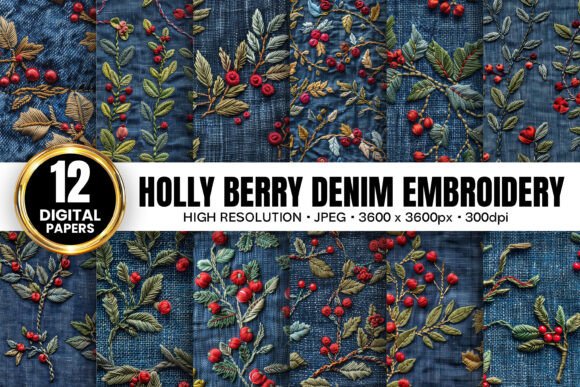
The title alone suggests a specific aesthetic: rustic yet refined, grounded in texture but playful in nature. Upon reviewing the preview files, my immediate reaction was that Hollyberry Denim Embroidery Patterns strikes a perfect balance between casual comfort and premium detailing. The seamless nature of the patterns implies a repetitive, all-over or border-friendly layout, which is increasingly popular in today’s streetwear and cozy-luxury markets.
For a boutique brand, visual recognition is everything. These patterns do not feel like simple clip art; they possess a distinct stitching personality. The interplay of berry tones against denim textures suggests a design that is both feminine and rugged. It feels nostalgic, reminiscent of vintage workwear but updated with modern, soft color palettes. This duality makes it incredibly versatile. It can read as cute and whimsical on a pastel hoodie, yet bold and graphic when placed on dark, heavyweight fabric.
Application on Sweatshirts and Hoodies
The primary use case for this collection is clearly apparel decoration. I simulated how Hollyberry Denim Embroidery Patterns would look across different garment types and colors, which is crucial for planning a cohesive collection.
- Neutral and Cream Sweatshirts: On light, oatmeal-colored fabrics, the pattern provides excellent contrast without being harsh. It creates a soft, inviting look that appeals to customers seeking cozy seasonal apparel. The embroidery would stand out as a textural focal point rather than just a colored logo.
- Dark Navy and Charcoal: Here, the design transforms. The "denim" aspect of the pattern likely picks up lighter threads that pop against dark backgrounds. This combination screams premium casual wear. It works exceptionally well for oversized hoodies, where the pattern could be used as a large back print or a subtle chest accent.
- Pastel Pink and Sage: For spring or summer drops, these softer hues allow the intricate details of the holly and berry motifs to shine. The result is a decorative and minimal finish that feels high-end and thoughtful.
I also considered placement strategies. A hoodie design benefits greatly from strategic positioning. Using these patterns for sleeve accents adds a detail-oriented touch that discerning buyers love. Alternatively, a centered chest placement offers a classic, trustworthy look, while a full-back application makes a bold statement suitable for lifestyle product photography.
Technical Evaluation for Commercial Use
From a production standpoint, moving from a digital file to a finished embroidered product involves several critical variables. When reviewing Hollyberry Denim Embroidery Patterns, I had to consider how these graphics would hold up under the needle.
Stitch Density and Fabric Texture: One of the biggest risks with pattern-based embroidery is overcrowding. If the stitch density is too high on a thick sweatshirt fleece, the garment can become stiff and uncomfortable. However, given the "seamless pattern" description, these designs are likely optimized for coverage rather than dense filling. They should lay flat and maintain the soft hand-feel of the handmade product. Designers must ensure that the underlying stabilizer choice matches the weight of the fabric to prevent puckering, especially around the collar and cuffs.
Thread Color Contrast: The success of any machine embroidery design hinges on thread selection. Because the source files are high-resolution JPGs at 300 DPI, you get a clear idea of the intended color palette. However, thread sheen can alter perception. I recommend using matte polyester threads to enhance the rustic, denim-like quality of the pattern. Glossy threads might make it look too synthetic, detracting from the organic vibe.
Readability and Hoop Size: For small-shop products, scalability is key. You need to verify that the smallest elements of the holly and berry motifs remain visible when scaled down for smaller sizes (like youth XS). If the details are too fine, they may disappear into the fabric texture. Always test a sample in your actual hoop size before committing to a full run. Additionally, check the file specifications to confirm if the pattern repeats seamlessly in your software, ensuring no awkward cuts occur at the edges of the embroidery area.
Impact on Brand Value and Sales
In the competitive world of Etsy and online boutiques, presentation is half the battle. High-quality digital embroidery file assets like these directly influence buyer trust. When a customer sees a sweatshirt with crisp, well-executed embroidery, they perceive higher value. They assume the brand cares about quality, which justifies a higher price point.
Hollyberry Denim Embroidery Patterns offers more than just a design; it offers a cohesive visual language. Using these graphics allows you to create a unified look across your entire line—from the main sweatshirts to tote bags, beanies, and aprons. This consistency strengthens your brand identity and makes your shop look professional and established.
Furthermore, these patterns are perfect for creating compelling printable mockups. Before you even cut fabric, you can visualize how the design looks on various models and lighting conditions. This accelerates your marketing workflow, allowing you to launch faster. For an Etsy seller, having ready-to-use, high-quality visuals means you can focus on customer engagement and community building rather than scrambling for content.
Practical Considerations for Production
While the aesthetic appeal is undeniable, practical execution remains paramount. Here are a few reminders for designers preparing to use these assets:
- Check File Specifications: Ensure you have the correct format for your embroidery machine. While the product includes high-res JPGs for reference, confirm if vector or digitized files are included for direct machine use. If not, you may need to trace or digitize the patterns yourself.
- Washing Durability: Test wash your samples. Embroidered areas can sometimes snag or fade. Proper finishing techniques and high-quality thread will ensure the finished product withstands repeated laundering, maintaining its integrity for years.
- Small-Size Readability: Always scale down to the smallest garment size during the proofing stage. What looks great on an adult XL might look cluttered on a child’s size.
Final Verdict
Hollyberry Denim Embroidery Patterns is a standout addition to any designer’s toolkit. It bridges the gap between rustic charm and modern minimalism, making it suitable for a wide range of custom apparel projects. Whether you are launching a new small shop product line or refreshing an existing catalog, these patterns offer the versatility and quality needed to compete in today’s market.
For the experienced embroiderer, the value lies in the adaptability. The patterns are robust enough for heavy-duty commercial use yet delicate enough for intimate, detailed work. By paying attention to thread choices, stabilizers, and placement, you can transform these digital assets into tangible, desirable goods that resonate with customers. In a landscape dominated by fast fashion, offering unique, thoughtfully designed commercial embroidery sets you apart. This collection delivers exactly that—a sense of care, creativity, and craftsmanship that buyers can see and feel.